
Introduction
A checklist for hiring a contractor for commercial property work means more than choosing the lowest bid. The standard requires certain intervals. The agreement provides certain remedies. The authority having jurisdiction expects certain documentation. When any of those three misalign, the owner holds the gap.
One owner submitted an inspection report and an invoice that described two different visits to the same building. The report closed an annual item; the invoice billed for a five-year internal assessment. Neither document referenced the other, and the AHJ opened a failure notice because the required annual visit had no supporting record. The problem was not the work — the problem was that the paperwork did not prove what the standard required by interval.
This checklist covers what to verify before you authorize work, what to ask for in writing, and what to retain once the contractor leaves the site. It does not tell you what any specific job should cost, and it does not provide legal advice for an active dispute. For guidance on handling insurance claims adjusters in commercial settings, see the linked resource. The focus here is the compliance record: what closes the requirement, what the agreement obligates, and where the documentation must land when the inspector asks for it.
The sections that follow walk through the problem statement, the solution steps, and the tips that prevent the most common documentation gaps. Two editions of the same standard can set compliance thresholds five years apart, and which one governs is a local adoption question. Ask the contractor which edition they are working to, and confirm that edition matches what your jurisdiction adopted. The standard requires it by interval; the agreement provides the remedy; the record proves both happened.
Problem Statement
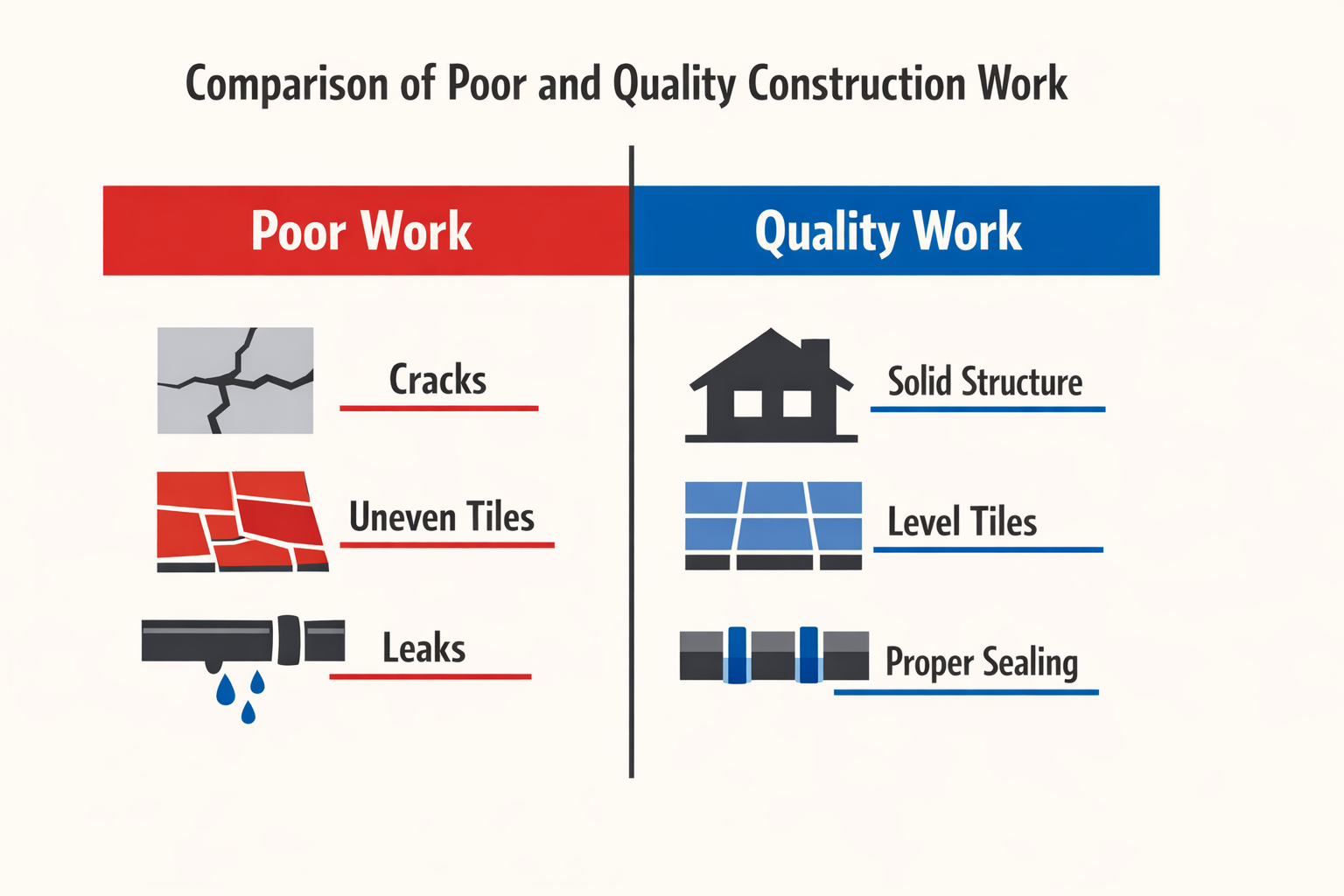
The agreement says one thing. The invoice describes another. The inspection report references a third visit entirely. When documentation does not align, the owner holds the risk — not the contractor who walked away, and not the unlicensed operator who was never obligated in the first place. California Business and Professions Code § 7118 establishes that entering into a contract with an unlicensed contractor constitutes grounds for disciplinary action, but that provision addresses the contractor's standing, not the building owner's exposure when the work fails or the record gaps emerge during an audit.
What Closes When the Work Does Not Meet Code
A fire marshal opens a violation. The contractor provides a completion certificate. The certificate references work performed under a different standard edition than the one adopted locally, or it describes annual service when the cited deficiency required a five-year internal assessment. The authority having jurisdiction does not accept the certificate, the violation remains open, and the owner must now locate a second contractor to perform the work that should have closed the first time. The cost compounds: remediation, re-inspection fees, and the operational disruption of coordinating a second service visit to the same equipment.
The Documentation Gap
The standard requires retention of inspection records for a stated interval. The contractor provides a summary invoice with no serialized asset list, no deficiency log, and no indication of which edition governed the work. When the next inspection cycle arrives, or when an incident triggers a regulatory review, the owner cannot demonstrate compliance for the prior interval because the documentation never existed. The gap is not a clerical error — it reflects work that was either not performed to the specified standard or was performed by an entity that did not understand the retention obligation. Either scenario leaves the owner without a defensible record, and mechanics liens can still be recorded even when payment was made in full if downstream parties were not compensated.
The Cost of Rework and Regulatory Exposure
Poor workmanship is visible. A deficient sprinkler repair leaks. A fire alarm panel shows fault codes after the technician leaves. These failures generate immediate costs: callback visits, tenant complaints, and emergency service rates when the original contractor does not respond. The hidden cost is regulatory: when an authority inspects and finds that required work was not completed, the citation names the building owner, not the contractor. The owner pays the fine, pays for compliant work, and absorbs the reputational impact with tenants and insurers. The contractor who caused the deficiency is frequently unreachable by the time the failure is discovered, and if that contractor was unlicensed from the start, there is no bond to claim against and no licensing board to petition.
Solution Steps: Your Essential Checklist for Hiring a Contractor
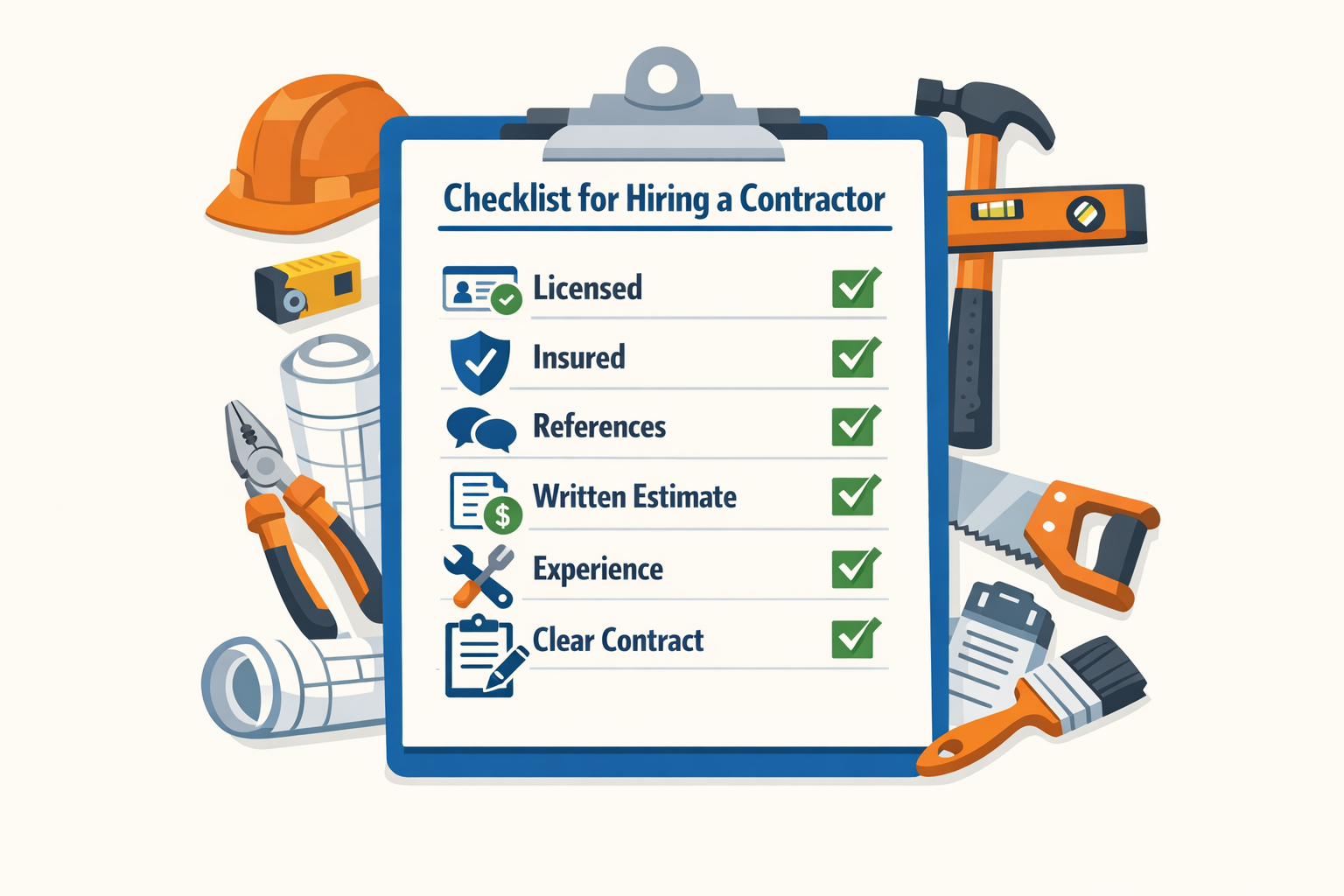
The contract is the first document you read to the end. Before any work starts, the contractor provides a signed and dated copy, and you verify that what you signed matches what you received. The written contract establishes the scope, the price, and the party who is obligated — not just the individual who shows up on site.
Verify Entity and Obligated Party
A written direct contract shall provide a space for the owner's name, address, and place of business, as well as the name and address of the construction lender, if any (Cal. Civ. Code § 8170). The contract identifies who is performing the work — a corporation, a partnership, or an individual — and that entity is the one you hold to the agreement. If the contract names a company, the company is obligated; if it names an individual, that individual is obligated. The signature block shows who signed, and whether a personal guarantee appears separately.
Check the contractor's name against the license record. The license is issued to a specific entity, and the contract should name that entity. If the license is under a different name, ask for it in writing before you authorize any work.
Confirm Scope and Price Documentation
The contract includes a general description of the work to be provided and an estimate of the total price of the work provided and to be provided (Cal. Civ. Code § 8202). The description need not be exhaustive, but it must be sufficient to identify what the contractor is performing and what the owner is paying for. If the scope is vague, the invoice can describe work that was never agreed to, and the dispute over what was included begins after the work is done.
When the contract amount is $750 or less, the buyer initiated contact, and no payment is accepted until work is completed, certain statutory requirements may not apply. Outside that narrow exception, the contractor provides the signed contract before work starts, and the owner retains a copy for the full retention period.
Step 1
Read the contract to the end
Verify that the entity named in the contract matches the licensed entity. Check that the scope description is clear enough to identify what is included and what is not. Confirm that the total price is stated as a fixed sum or as a rate with a cap, not left open.
Step 2
Obtain the signed contract before work starts
The contractor must provide a signed and dated copy of the contract before any work starts. If the contractor begins work without providing the signed contract, the agreement is not documented, and the owner has no enforceable record of what was agreed.
Step 3
Retain the contract and all amendments
Every amendment, change order, and written modification becomes part of the contract. Retain each document in sequence, with dates, so that the record shows what was agreed at each stage. The authority having jurisdiction may require the owner to produce the contract and all amendments to verify that the work was authorized.
Cross-Reference Preliminary Notices and Invoices
A direct contractor shall make available to any person seeking to give preliminary notice the name and address of the owner and the name and address of the construction lender, if any (Cal. Civ. Code § 8208). The preliminary notice identifies who is providing labor, service, equipment, or material to the project, and it includes a general description of the work to be provided and an estimate of the total price.
When you receive an invoice, compare it to the preliminary notice and to the contract. The three documents should describe the same work, at the same location, for the same project. If the invoice describes work that was not in the preliminary notice or the contract, ask for clarification in writing before you pay. An owner who submitted an inspection report and an invoice that described two different visits to the same building discovered the discrepancy only when the authority having jurisdiction asked which visit closed the violation.
Understand Which Edition Governs
Two editions of the same standard may set compliance thresholds five years apart, and which one governs is often a local adoption question. The contractor is obligated to perform the work in accordance with the edition that the authority having jurisdiction has adopted. If the contract does not specify the edition, the contractor may quote the older edition's requirements, and the owner may be left with a system that does not satisfy the current edition.
Before you sign the contract, establish which edition of the standard applies to your building. The contractor should be aware of the specific edition and interval requirements applicable to your project. If the contractor cannot name the edition, the quote may not include all the work that the standard requires.
For additional guidance on managing compliance and service agreements, see How to Deal with an Insurance Claims Adjuster for Commercial Buildings.
Tips and Tricks for Hiring a Contractor

Beyond the standard verification steps, a few practical habits can help you avoid common pitfalls when engaging a contractor for commercial building work.
Clarify the Contractor Type Early
Establish whether the entity you are hiring is a direct contractor or a subcontractor. California Civil Code § 8012 defines "contractor" to include both, but the distinction matters for preliminary notice obligations, lien rights, and payment flow. Ask the contractor to state in writing which role they occupy on your project. If they are a subcontractor, confirm the name and address of the direct contractor so you can track the payment chain and understand who owes what to whom.
Require a Signed Release Before Each Payment
California Civil Code § 8202 permits you to protect yourself against liens by requiring your contractor to provide a signed release from any person or firm that has given you a preliminary notice before you make payment. This is not a formality — it closes the gap between what you paid and what downstream parties received. If a subcontractor or supplier sends you a preliminary notice, do not authorize the next draw until the contractor produces a release from that party. The statute puts this option in your hands; use it.
Verify Licensing at Contract Formation
California Business and Professions Code § 7118 makes entering into a contract with an unlicensed contractor a cause for disciplinary action against a licensed party. Before you sign, confirm the contractor holds an active license in the classification that matches the work. Do not rely on a photocopy of a license card; check the Contractors State License Board online register for the current status, any restrictions, and the expiration date. If the contractor uses a temporary labor service agency, verify that the agency also holds the required license and provides a license number in writing.
Cross-Reference the Invoice and the Report
One owner submitted an inspection report and an invoice that described two different visits to the same building. The dates did not match, the scope statements diverged, and the contractor could not explain the discrepancy. When you receive both an invoice and a compliance report, check that the visit date, the work performed, and the findings align. If they do not, ask for clarification in writing before you pay. A mismatch may indicate that the report was generated from a different job, that the invoice was copied from a template, or that the contractor did not perform the work described. Any of those conditions creates a documentation problem that an authority having jurisdiction will not overlook.
Understand Which Edition of the Standard Governs
Two editions of the same standard may set compliance thresholds five years apart, and which one governs is a local adoption question. Before you accept a quote, confirm that the contractor knows which edition of NFPA 25, 72, or 10 applies in your jurisdiction. The contractor's scope of work should reference the edition by year. If it does not, or if the contractor assumes the current national edition controls, you may end up paying for work that does not satisfy the locally adopted requirement — or, conversely, for work the local code does not yet mandate. Ask for the edition in writing, and verify it against your local fire code adoption.
The edition matters, and the contractor who names it in the proposal is the one who read the ordinance.
Retain Every Document the Contractor Provides
Retain the contract, every invoice, every inspection report, every preliminary notice, and every release. If a code violation is opened, the authority having jurisdiction will ask you to produce the record that closes it. If a lien is recorded, the court will expect you to show what you paid, when you paid it, and what notice you received. The contractor may keep copies, but the obligation to produce the documentation is yours. Store the records in a way that lets you retrieve them by date, by contractor, and by building system. A missing report or an unsigned release can turn a routine audit into a protracted dispute.
For additional guidance on managing disputes and understanding lien mechanics, see How Does a Mechanics Lien Work: Mechanics Lien for Building Owners.
Conclusion
The checklist for hiring a contractor presented here addresses the documentation and verification steps that close the gap between what a contractor says and what a building owner can prove. Licensing status, insurance coverage, entity identification, and service agreement mechanics are not negotiable items — they are the record that survives a dispute, an inspection, or a lien filing. When an owner skips a step, the consequence is not theoretical: it is a missing document when the authority having jurisdiction asks for it, or a signature block that does not match the entity on the invoice.
One experience that stands out involves an owner who submitted an inspection report and an invoice that described two different visits to the same building. Cross-referencing documents before authorizing payment would have identified the discrepancy and avoided the compliance issue that followed. Additionally, two editions of the same standard might set compliance thresholds five years apart, and which one governs is often a local adoption question. Ensure that the contractor is aware of the specific edition and interval requirements applicable to your project — ask for it in writing, and retain the record.
The essential checklist for hiring a contractor is not a formality. It is the sequence that produces the documentation you must retain and produce. Before you authorize work, verify the license, confirm the insurance, identify the obligated party, and establish what the agreement provides within the dispute window. The standard requires it, and the record you build at the start determines what you can prove at the end. For further guidance on managing compliance documentation and contractor obligations, see How to Deal with an Insurance Claims Adjuster for Commercial Buildings.
Related reading
Contractor Assessment Checklist: Key Verifications Before Signing